


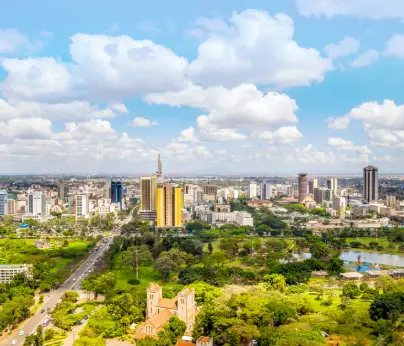
Green Landscapes, Greener Cities: How Landscaping is Shaping Urban Africa
As African cities continue to grow, so does the importance of integrating green spaces into urban planning. With the rapid expansion of urban areas, there is a pressing need for sustainable landscaping solutions that enhance the quality of life for city dwellers. Urban landscaping in Africa is not only about beautification; it’s a crucial step toward creating eco-friendly cities that balance modern infrastructure with environmental health. This article explores the transformative role landscaping is playing in shaping Africa’s urban landscapes and highlights recent projects that are setting benchmarks for sustainability.
The Rise of Urban Landscaping in Africa
Urban landscaping has gained significant momentum across African cities, driven by local governments, private companies, and environmental organizations. As African countries strive for more sustainable cities, urban landscaping has become essential for managing rapid urbanization. In many places, landscaping efforts aim to create green belts, parks, and recreational spaces that not only provide beauty but also play a key role in air purification, temperature regulation, and the promotion of biodiversity.
Benefits of Urban Landscaping for African Cities
As African cities evolve, so too must the approach to urban planning. Landscaping is proving to be a transformative force in creating greener, more livable cities across the continent. From improved air quality and temperature control to enhanced biodiversity and recreational spaces, the benefits of urban landscaping are undeniable. By embracing sustainable practices and innovative designs, African cities are setting a global example of how green landscapes can support urban growth while respecting the environment. As these green projects grow, they offer a blueprint for the future—one where Africa’s cities and natural environment thrive in harmony.